Dengue fever virus increases, learn more
a admin 3/23/2023
Since the early clinical manifestations caused by dengue fever are similar to those of respiratory infectious diseases, coupled with the fact that the relevant vaccine has not yet been approved for marketing in China, some infectious disease experts say that in the context of the simultaneous existence of influenza, new crown and dengue fever this spring, it is necessary to focus on the pressure of disease treatment and drug stockpiling in urban basic medical institutions, and to do a good job of monitoring the vectors of dengue virus disease.
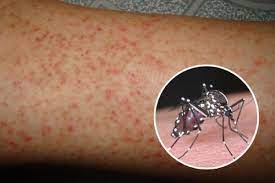
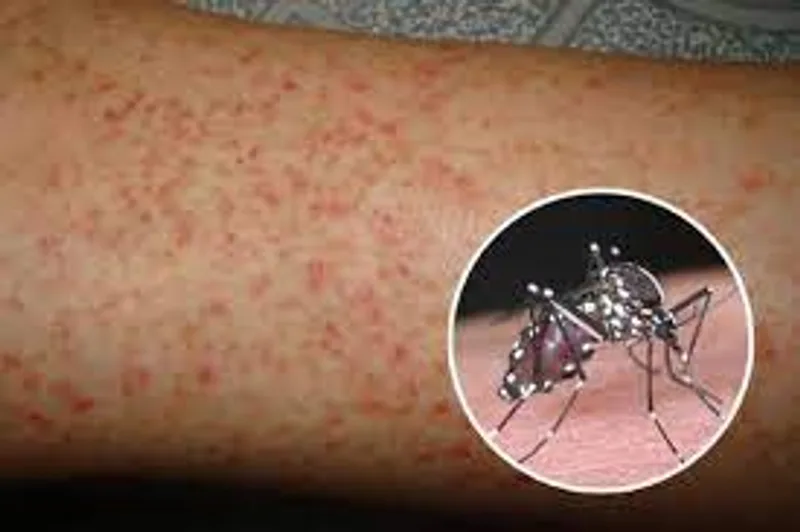
The main symptoms of dengue fever are sudden onset of high fever, "triple pain" (headache, orbital pain, generalized muscle and bone and joint pain), "triple redness" (flushing of the face, neck and chest), and rash (congestive rash or punctate hemorrhagic rash on the trunk of the extremities or head and face).The official website of the Centers for Disease Control and Prevention (CDC) says, "Dengue virus and the virus that causes COVID-19 can cause similar symptoms in the early stages."Dengue fever is prevalent in the summer and fall, and is generally prevalent from May to November each year in the northern hemisphere, which is the breeding season for Aedes aegypti mosquitoes. However, in recent years, global warming has put many tropical and subtropical countries at risk of early and expanded spread of the dengue virus.This year, in such as Singapore, Thailand, Malaysia, the Philippines and many other countries in Southeast Asia, dengue fever virus as early as late January to early February, began to show the epidemic trend.Currently, there is no specific treatment for dengue fever worldwide. If it is a mild case, then simple supportive care such as antipyretics and painkillers to relieve symptoms such as fever is sufficient.Also according to WHO medication guidelines, for mild dengue fever, the best choice for treating these symptoms is acetaminophen or paracetamol; NSAIDs such as ibuprofen and aspirin should be avoided. These anti-inflammatory drugs work by thinning the blood, and in diseases where there is a risk of bleeding, blood thinners may worsen the prognosis.
For severe dengue, WHO says that patients can also save their lives if they receive timely medical care from experienced doctors and nurses who understand the condition and course of the disease. Ideally, the mortality rate could be reduced to less than 1% in most countries.
Many countries in Southeast Asia entered the dengue fever outbreak
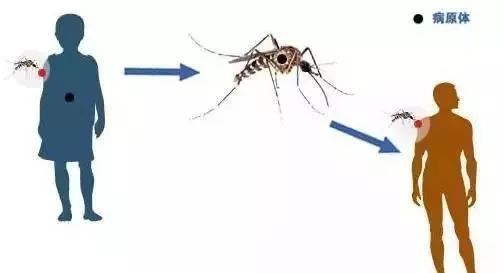
According to the Beijing CDC WeChat public number on March 6, the number of dengue fever cases in Southeast Asia and other places has increased significantly recently, and the country has reported cases of dengue fever imported from abroad. Guangdong CDC official website on March 2 also issued an article, said February 6, the mainland and Hong Kong and Macao to fully resume the exchange of people, Chinese citizens to 20 countries to restart the outbound group travel. Outbound travel requires close attention to the dynamics of the epidemic, pay attention to prevent dengue fever and other mosquito-borne infectious diseases. February 10, Shaoxing CDC was informed that Shaoxing City reported a case of imported dengue fever, for travelers to Thailand during the Spring Festival. Dengue fever, an acute insect-borne infectious disease caused by dengue virus and transmitted through the bite of the vector Aedes aegypti mosquito. The infection is mainly prevalent in tropical and subtropical regions, especially in countries and regions such as Southeast Asia, the Western Pacific, the Americas, the eastern Mediterranean and Africa.